cellulose acetate tow suppliers
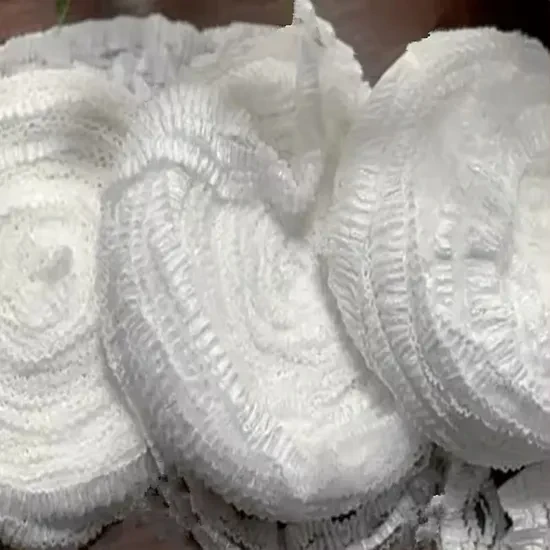
The Advanced Capabilities of a cellulose acetate tow manufacturer In the intricate landscape of modern industrial materials, cellulose acetate tow stands as a critical component, particularly within the filtration and textile sectors. As a leading cellulose acetate tow manufacturer , we leverage cutting-edge technology and rigorous quality control to produce materials that meet the highest global standards. Our focus on innovation ensures that our products, such as the Hot Sell for Filter Rods Cellulose Acetate 100% Tow, deliver unparalleled performance and reliability for diverse applications. The increasing demand for sustainable and high-performance filtration media underscores the importance of advanced manufacturing capabilities and a deep understanding of polymer science. The global market for cellulose acetate tow is experiencing significant growth, driven by evolving consumer preferences for filter products and a heightened emphasis on environmental considerations. Industry trends indicate a shift towards bio-based and biodegradable materials, positioning cellulose acetate tow as a highly relevant and future-proof solution. Moreover, advancements in fiber technology allow for tailored filtration efficiencies and enhanced material properties, catering to increasingly specialized industrial requirements. Companies that excel as cellulose acetate tow manufacturers are those that can adapt to these trends, investing in research and development to optimize product performance and sustainability. Detailed Manufacturing Process: From Cellulose to Tow The production of cellulose acetate tow is a sophisticated multi-stage chemical and physical process, demanding precision at every step to ensure the final product’s integrity and performance. As expert acetate tow manufacturers , we adhere to a meticulously controlled process flow: Raw Material Preparation (Cellulose Sourcing): The primary raw material is high-purity cellulose pulp, typically derived from wood or cotton linters. This natural polymer is selected for its consistency and low impurity content. Acetylation: Cellulose reacts with acetic anhydride in the presence of a catalyst (e.g., sulfuric acid) to form cellulose triacetate. This esterification process is critical, determining the degree of substitution (DS) which significantly impacts the fiber's properties, including solubility and hydrophilicity. Partial Hydrolysis: The cellulose triacetate is then partially hydrolyzed by adding water and a dilute acid. This step reduces the DS to the desired level, typically around 2.45 to 2.55 for filter tow, making it soluble in acetone and enhancing its physical properties. Washing and Drying: The resulting cellulose acetate flakes are thoroughly washed to remove residual acids and by-products, then dried to a specific moisture content. Dope Preparation: The dried cellulose acetate flakes are dissolved in an appropriate solvent, usually acetone, to create a viscous spinning solution known as "dope." This solution is carefully filtered to remove any insoluble particles, ensuring uniformity in the final fiber. Dry Spinning (Casting/Extrusion): The dope is extruded through spinnerets with precisely shaped orifices into a spinning cabinet, where hot air evaporates the solvent. This process, termed dry spinning, forms continuous filaments. The cross-sectional shape of these filaments (e.g., Y-shape, X-shape) is controlled by the spinneret design and is crucial for filtration efficiency and surface area. Stretching and Drawing: The nascent filaments are stretched to align the polymer molecules, enhancing their tensile strength and reducing denier. Crimping: The stretched filaments are then passed through a crimping machine, which imparts a permanent wavy or zigzag pattern. Crimping is vital for tow bulkiness, allowing for better packing density in filter rods and improved filtration efficiency. Drying and Finishing: The crimped tow is dried and often treated with a specialized finish (spin finish oil) to reduce friction and static electricity during subsequent processing. Baling: The continuous tow is gathered into large, consistent bales, ready for shipment. Each bale is meticulously inspected to meet strict quality specifications. Our manufacturing processes are continuously monitored and validated against international testing standards, including ISO 9001 for quality management and specific product performance standards. The target industries for our cellulose acetate tow primarily include tobacco product filtration, specialized industrial filtration, and certain textile applications requiring biodegradable fibers. The inherent advantages of our cellulose acetate tow, such as its selective filtration capabilities and biodegradability, are vital in achieving energy saving and contributing to sustainable practices. Technical Specifications and Parameters Understanding the precise technical parameters is crucial for optimal application and performance. As a premier cellulose acetate tow manufacturer , we ensure our product specifications are consistent and meet rigorous quality benchmarks. Here are typical specifications for our Hot Sell for Filter Rods Cellulose Acetate 100% Tow: Product Specifications: Hot Sell for Filter Rods Cellulose Acetate 100% Tow Parameter Standard Specification Testing Method Total Denier 2.0Y35 – 5.0Y35 (e.g., 35000, 40000, 45000, 50000) ISO 2060, ASTM D1577 Filaments per Tow 3000 to 50000 (Adjustable) Microscopic Count Cross-Sectional Shape "Y" Shape (Common), "X" Shape (Available) SEM Analysis Degree of Substitution (DS) 2.45 - 2.55 ASTM D871 Moisture Content Max 6.0% ISO 6745 Oil Finish Content 0.8% - 1.2% (Adjustable) Extraction Method Crimps per Inch (CPI) 10 - 15 (Adjustable) Visual/Microscopic Count Tenacity (g/denier) ≥ 1.2 ASTM D3822 Elongation at Break (%) 15 - 25 ASTM D3822 These parameters are meticulously controlled to ensure consistency and optimal performance in various processing conditions. The Y-shaped cross-section, for instance, is specifically designed to maximize surface area and improve filtration efficiency by creating a complex matrix for trapping particulate matter, a critical feature sought by any discerning cellulose acetate tow supplier . Diverse Application Scenarios The versatility and unique properties of cellulose acetate tow make it indispensable across a spectrum of industries. As a specialized cellulose acetate tow manufacturer , we serve a wide array of demanding applications: Tobacco Filter Rods: This is the primary and most well-known application. Cellulose acetate tow is perfectly suited for cigarette filters due to its ability to selectively remove particulate matter and certain gaseous components while allowing for desirable draw resistance. Its inertness and ability to be easily plasticized make it ideal for mass production of consistent filter rods. Water Filtration Systems: In advanced water purification, cellulose acetate fibers are used in membrane filtration. Their excellent hydrophilicity and selective permeability make them effective for removing micro-particulates, bacteria, and some organic compounds, contributing to cleaner water. Air Filtration Systems: The fine denier and crimped structure of cellulose acetate tow can be integrated into high-efficiency particulate air (HEPA) filters or specialized HVAC filters. Its fibrous matrix provides excellent dust retention and airflow characteristics, improving indoor air quality in commercial and industrial settings. Medical and Pharmaceutical Filters: Due to its low extractables and non-toxic nature, cellulose acetate tow is used in various medical devices, including blood filters, drug delivery systems, and laboratory filtration. Its biocompatibility is a key advantage in these sensitive applications. Textile and Apparel Industry: While less common for tow, cellulose acetate can be spun into yarns for textiles, known for their silk-like drape, lustrous appearance, and comfort. However, its primary textile use now is often in specialty fabrics or non-wovens where biodegradability is valued. In scenarios demanding both high filtration efficiency and environmental responsibility, our cellulose acetate tow provides an optimal solution. Its controlled degradation profile, unlike synthetic plastics, offers a sustainable alternative for numerous single-use filter applications. Technical Advantages and Performance Benefits The selection of cellulose acetate tow from a reputable cellulose acetate tow manufacturer offers distinct advantages: Selective Filtration: The unique chemical structure and customizable cross-section (e.g., Y-shape) of cellulose acetate fibers allow for effective removal of specific particulates while maintaining desired airflow or liquid flow properties, making it superior to many generic filter media. Biodegradability: Derived from natural cellulose, our tow is inherently biodegradable under composting conditions, offering an environmentally responsible alternative to synthetic polymers and aligning with global sustainability initiatives. Low Extractables: A critical advantage, especially for medical and food-contact applications. The manufacturing process ensures minimal residual chemicals, making the tow highly inert and safe. Consistent Quality and Uniformity: Advanced manufacturing controls ensure uniform denier, crimp, and fiber distribution, which translates to consistent performance in end-use products like filter rods, minimizing operational downtime and ensuring product reliability. Excellent Processability: Our tow is engineered for optimal performance on high-speed filter rod making machines, characterized by low static, good opening characteristics, and reliable crimp retention. The specialized oil finish further enhances its workability. Customizable Properties: The ability to adjust parameters such as denier per filament, total denier, cross-section, and crimps per inch allows for precise tailoring to meet specific filtration efficiency, pressure drop, and absorption requirements. Vendor Comparison: Choosing the Right Cellulose Acetate Tow Supplier Selecting the right cellulose acetate tow suppliers is paramount for securing consistent quality and efficient supply chains. Below is a comparison table outlining key differentiation points to consider when evaluating a cellulose acetate tow manufacturer : Comparison of Cellulose Acetate Tow Suppliers Feature/Criterion Leading Manufacturer (Our Offering) Typical Competitor Product Consistency Excellent (Tight tolerance on denier, crimp, DS) Good to Variable (Wider tolerance, potential batch variations) Certifications & Compliance ISO 9001, REACH, FDA-compliant (where applicable) Basic ISO, may lack specific product certifications Customization Options Full range (denier, cross-section, crimp, oil finish) Limited standard offerings R&D and Innovation Continuous development in biodegradability & filtration efficiency Focus on existing product lines Technical Support Dedicated engineering and applications team Standard customer service Lead Time & Logistics Optimized supply chain, global distribution network May have regional limitations or longer lead times Sustainability Focus Strong emphasis on bio-based materials and lifecycle assessment Minimal or no specific sustainability initiatives Our long-standing presence as a trusted cellulose acetate tow manufacturer is built on a foundation of superior product quality, robust R&D, and unparalleled customer service. We pride ourselves on transparent communication and reliable delivery, making us a preferred partner for global enterprises. Customized Solutions Recognizing that standard products may not always meet specialized demands, we offer comprehensive customized solutions. Our engineering team collaborates closely with clients to develop bespoke cellulose acetate tow formulations. This includes tailoring specific parameters such as: Denier Per Filament (DPF) and Total Denier: Adjusting the fineness of individual filaments and the total weight per unit length of the tow to achieve desired filtration efficiencies and bulk properties. Cross-Sectional Shape: While Y-shape is standard, we can explore other geometries (e.g., X-shape, round) to optimize surface area, pressure drop, and filtration characteristics for unique applications. Crimps Per Inch (CPI): Modifying the crimp frequency and amplitude to control the bulk, loft, and packing density of the tow, influencing firmness and draw resistance in filter rods. Spin Finish Formulations: Developing specialized oil finishes to enhance processability, reduce static, and improve compatibility with downstream manufacturing equipment. Additives: Incorporating specific additives to impart additional functionalities, such as enhanced degradation properties or specific colorization. This bespoke approach ensures that our clients receive a product perfectly aligned with their specific processing and end-use requirements, solidifying our reputation as a flexible and responsive cellulose acetate tow manufacturer . Application Case Studies and Customer Experience Our long-standing relationships with global leaders across various industries testify to the superior quality and reliability of our cellulose acetate tow. Here are anonymized case studies reflecting our impact: Case Study 1: Global Tobacco Manufacturer A major international tobacco company sought to enhance the filtration efficiency and consistency of its premium cigarette filter rods. Working closely with our R&D team, we developed a customized cellulose acetate tow with a precise Y-shaped cross-section and optimized denier-per-filament configuration. The tailored tow resulted in a 15% improvement in particulate matter retention and a 5% reduction in carbon monoxide, without compromising draw resistance. This led to enhanced product quality, increased consumer satisfaction, and a significant reduction in waste during their high-speed manufacturing process due to fewer breakages. Case Study 2: Industrial Water Purification Specialist An innovative firm specializing in industrial wastewater treatment required a filter medium that was both highly effective in removing micro-pollutants and environmentally benign. We supplied our standard Hot Sell for Filter Rods Cellulose Acetate 100% Tow, demonstrating its inherent biodegradability and its capacity to form robust filter membranes. The client integrated our tow into their novel membrane design, achieving over 90% removal efficiency for targeted organic contaminants and particulates. This solution not only met stringent environmental regulations but also positioned their products as sustainable alternatives in the competitive water treatment market. Customer feedback highlighted the exceptional consistency of the tow, which was crucial for their automated membrane production. Case Study 3: Medical Device Innovator A startup developing next-generation disposable blood filtration systems needed a non-toxic, low-extractable, and biocompatible material that could be processed into precise micro-filters. After extensive testing, our cellulose acetate tow was chosen for its purity and consistent fiber properties. Our ability to provide detailed material safety data sheets and adhere to strict production protocols for medical-grade materials was a key factor. The collaboration led to a successful product launch, with the client praising our technical support and the reliability of our tow in their highly regulated application. Authoritativeness and Trustworthiness Our position as a trusted cellulose acetate tow manufacturer is reinforced by our unwavering commitment to quality, transparency, and customer satisfaction. We uphold the highest standards across all facets of our operations: Certifications: We are ISO 9001:2015 certified, demonstrating our adherence to internationally recognized quality management systems. Our products also comply with relevant global standards such as REACH and, where applicable, FDA regulations for materials in contact with food or medical applications. Extensive Experience: With decades of experience in the cellulose acetate industry, our expertise is built on a deep understanding of polymer chemistry, fiber spinning, and downstream applications. Partnerships: We collaborate with leading research institutions and industry bodies to stay at the forefront of material science and sustainable innovation. Our long-term partnerships with major global brands attest to our consistent quality and reliable supply. Rigorous Testing: Every batch of cellulose acetate tow undergoes a battery of tests—from denier and crimp analysis to extractables and physical properties—to ensure it meets or exceeds published specifications. Comprehensive Certificates of Analysis (CoA) are provided with each shipment. Frequently Asked Questions (FAQ) Q: What makes your cellulose acetate tow biodegradable? A: Our cellulose acetate tow is derived from natural wood pulp, a renewable resource. The specific degree of substitution (DS) in our acetate makes it susceptible to microbial degradation in active composting environments, breaking down into natural components. Q: What is your typical lead time for orders? A: Standard orders typically have a lead time of 3-4 weeks from order confirmation, depending on volume and specific product requirements. For customized solutions or large-scale projects, lead times will be discussed and agreed upon during the project planning phase. Q: Do you offer samples for testing? A: Yes, we provide samples of our Hot Sell for Filter Rods Cellulose Acetate 100% Tow for qualification and testing purposes. Please contact our sales team with your specific requirements. Q: What kind of warranty and after-sales support do you provide? A: We stand behind the quality of our products with a comprehensive warranty covering manufacturing defects. Our dedicated technical support team is available for assistance with product integration, troubleshooting, and optimization, ensuring smooth operations for our clients. Lead Time & Fulfillment Our robust production capacity and efficient logistics network ensure reliable supply. We maintain strategic inventory levels for standard products and leverage a global distribution network to optimize delivery times for our clients worldwide. Our fulfillment process is streamlined, from order placement to final delivery, with continuous communication to ensure transparency. Warranty Commitments As a responsible cellulose acetate tow manufacturer , we guarantee that our products meet the specified technical parameters and are free from material or manufacturing defects. Any product failing to meet these standards will be addressed promptly through replacement or credit, ensuring client satisfaction and minimizing operational disruption. Customer Support Information Our expert customer support team is available to assist with technical inquiries, order management, and general support. We offer multi-channel support via phone, email, and dedicated account managers to provide personalized and timely assistance. For urgent technical issues, an emergency support line is available to ensure uninterrupted operations for our valued partners. Conclusion The demand for high-performance and sustainable materials in filtration and other specialized applications continues to grow. As a dedicated cellulose acetate tow manufacturer , we are committed to meeting these evolving needs with superior products, innovative solutions, and exceptional customer service. Our Hot Sell for Filter Rods Cellulose Acetate 100% Tow exemplifies our commitment to quality, technical excellence, and environmental responsibility, making us the preferred choice for discerning clients globally. References ASTM International. (n.d.). _ASTM D871 - Standard Test Methods for Cellulose Acetate_. Retrieved from astm.org International Organization for Standardization. (n.d.). _ISO 9001:2015 - Quality management systems — Requirements_. Retrieved from iso.org European Chemicals Agency. (n.d.). _REACH Regulation_. Retrieved from echa.europa.eu U.S. Food and Drug Administration. (n.d.). _Food Additives & Ingredients_. Retrieved from fda.gov U.S. Environmental Protection Agency. (n.d.). _Composting and Compost Use_. Retrieved from epa.gov